3 DECADES of Misbehaving
RAINDANCE – The Original Party Crew, EST. 1989
From a circus tent in a muddy field somewhere on the London–Essex border to taking over the world-famous fabric London, Raindance has evolved from illegal warehouse insurgency into one of the longest-running forces in UK rave culture.
The close of the 1980s saw the rise of the Second Summer of Love. Police and politicians alike vilified an emerging dance music scene, while a sensationalist press branded it a “sinister evil cult.” In reality, it was the biggest youth revolution in decades — a cultural shift that united a generation through rave music, freedom and shared experience.
Joining the Circus
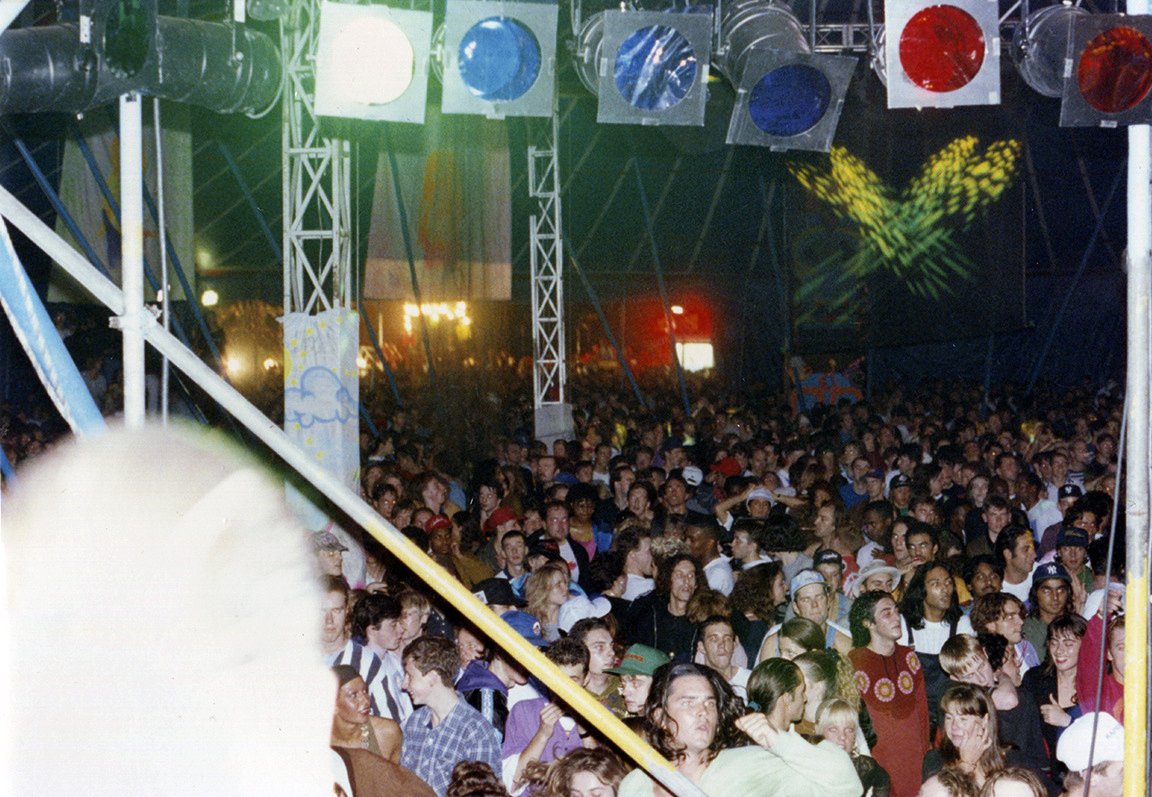
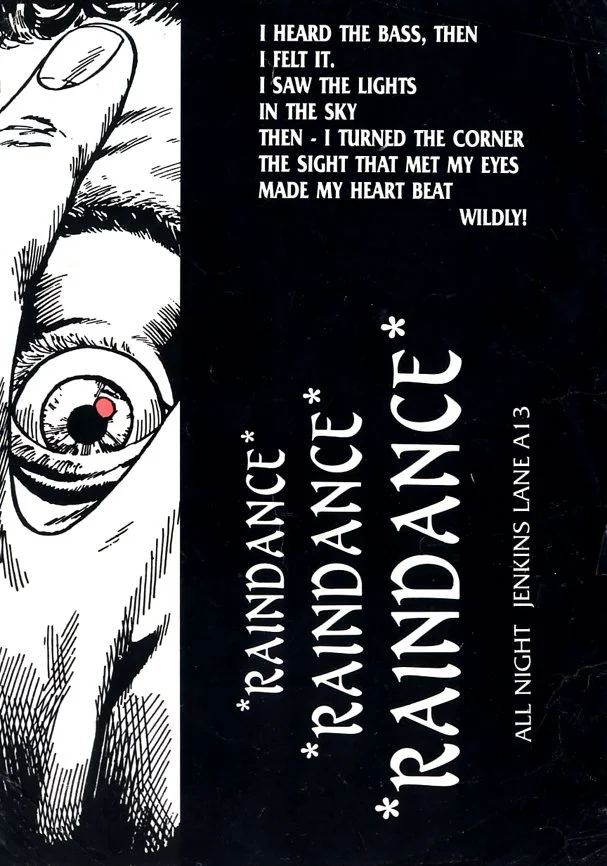
On 16th September 1989, a circus tent was erected on a disused football pitch at Jenkins Lane, Beckton, East London. A flyer went out with a simple promise:
10,000 STRONG – DANCE TIL DAWN
An underground gathering was about to take place. Raindance had arrived.
Originally founded by Paul Nelson, Graham (Lou) Lewis and Ray Spence, it was Paul’s brother — DJ Slipmatt, later one half of SL2 — who played the first record that night. He would remain resident for years, helping shape the sound and spirit of the early events.
Around the same time, a figure who would later become known simply as “Mr Raindance”, alongside Paul Marston, was moving through the emerging warehouse scene. Together they operated sound and lighting under names such as E-Team and Special K, forming part of the underground machinery powering the movement.
Willing to risk arrest, they supplied the sound system for the second Raindance party that November.
By day, it operated as a Children in Need event filmed by the BBC. By night, despite a police raid, the music continued.
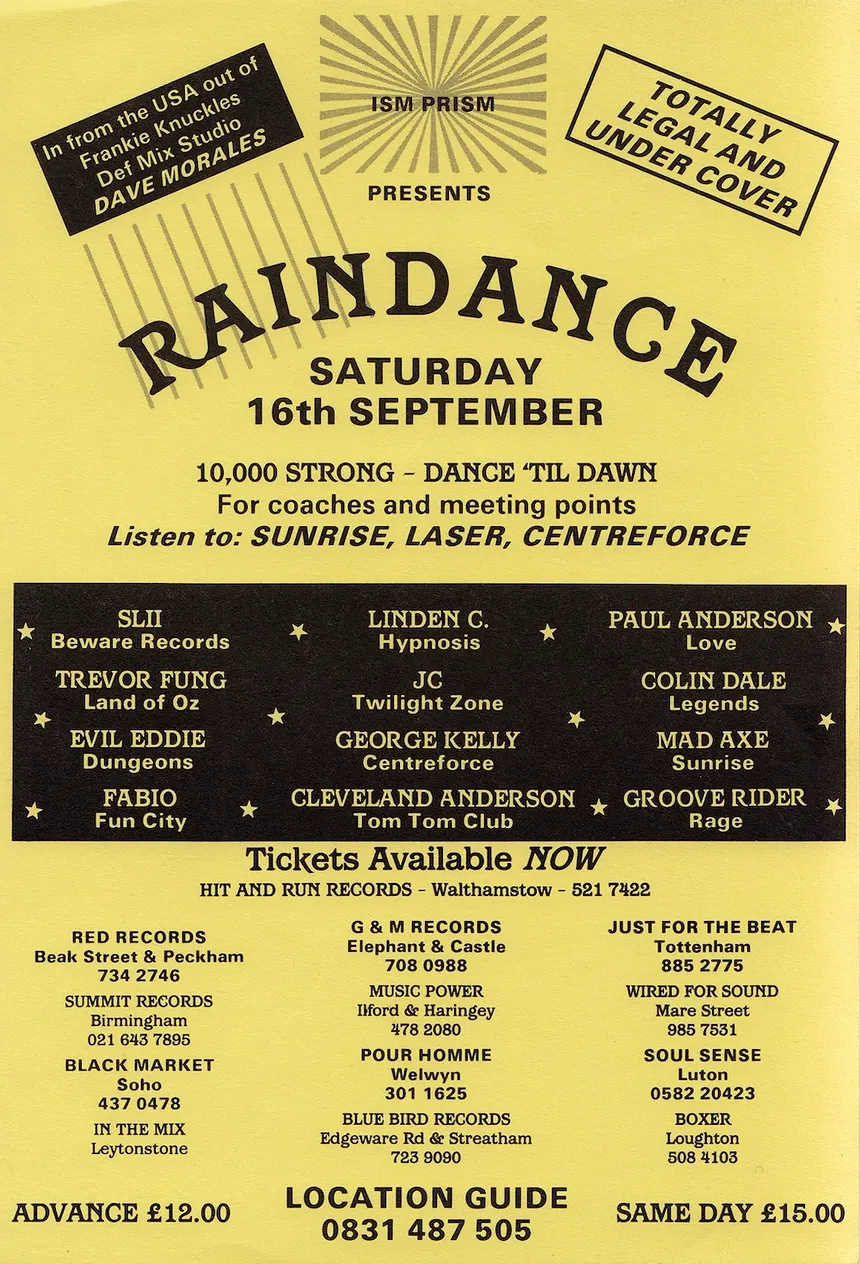
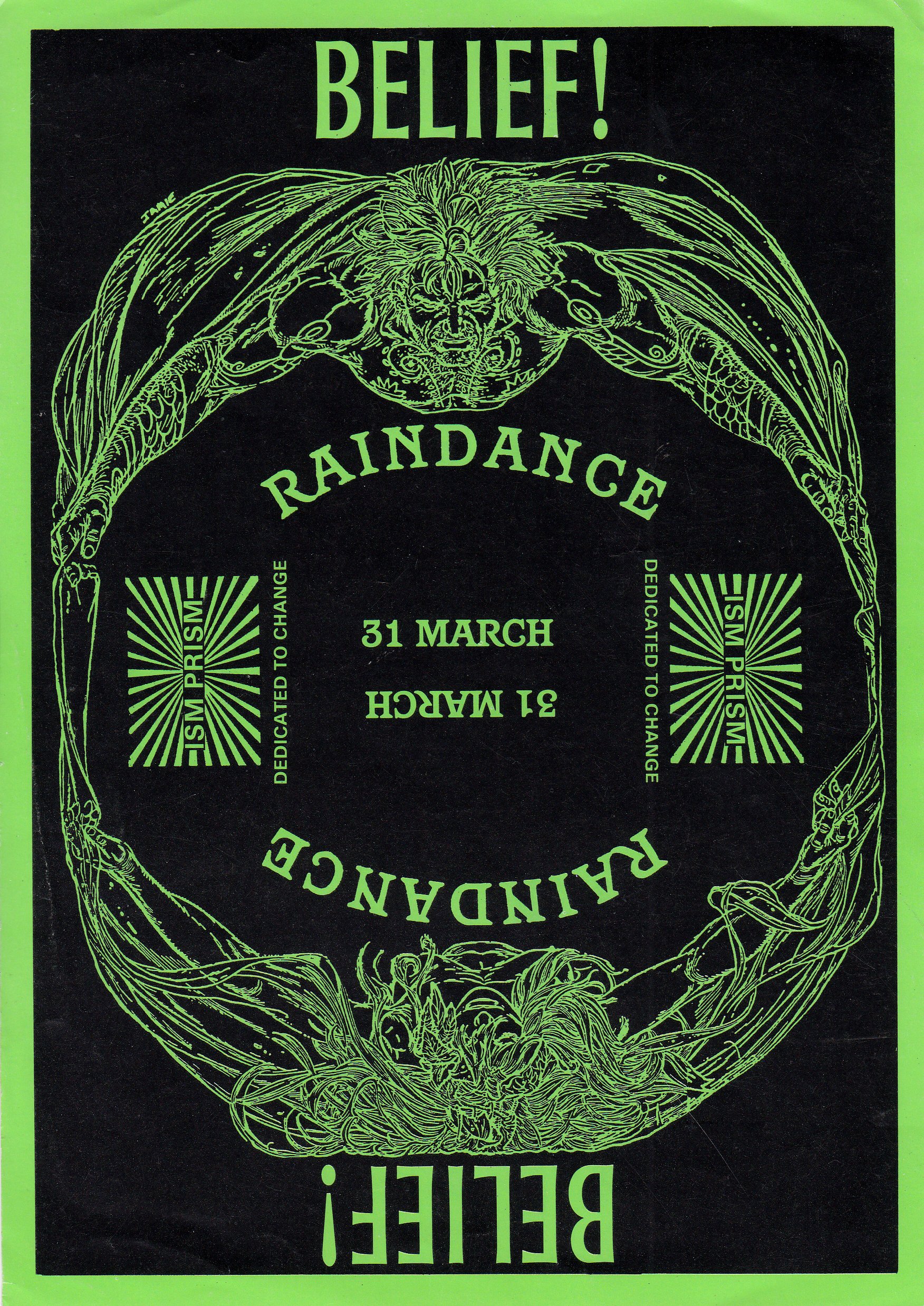
Raindance first flyer, September 1989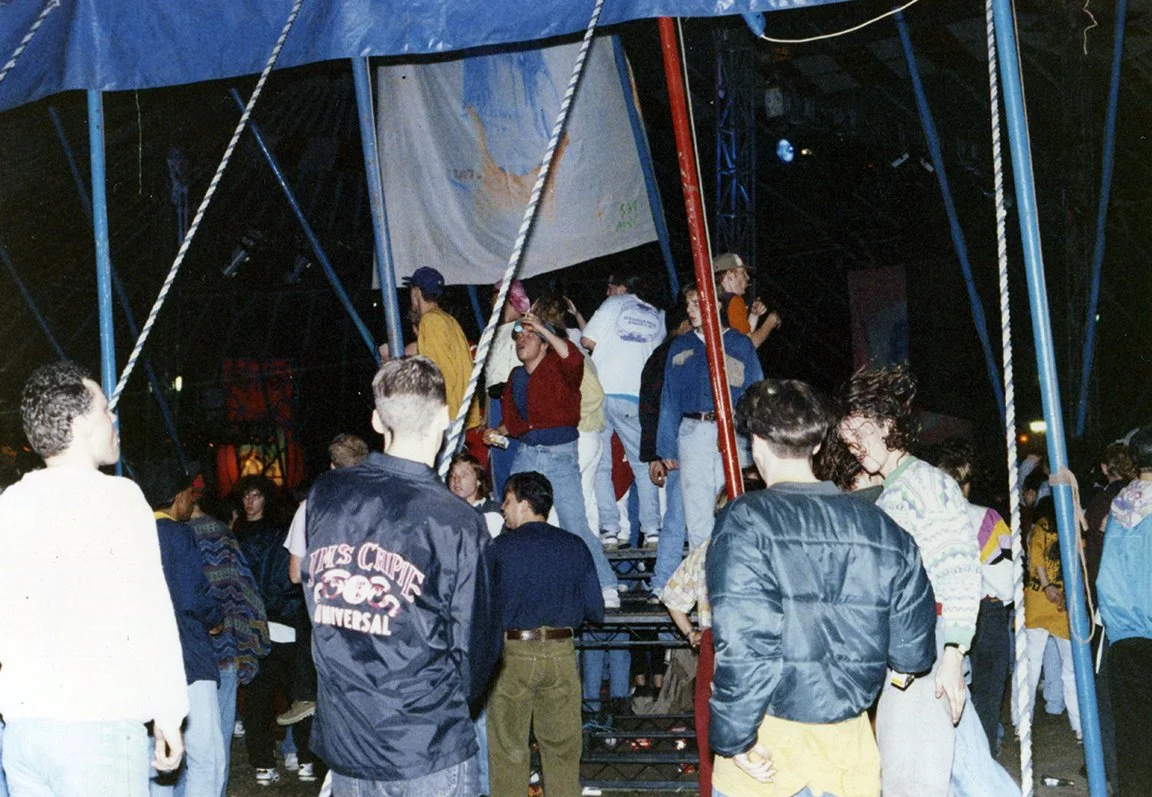
FIRST LEGAL RAVES
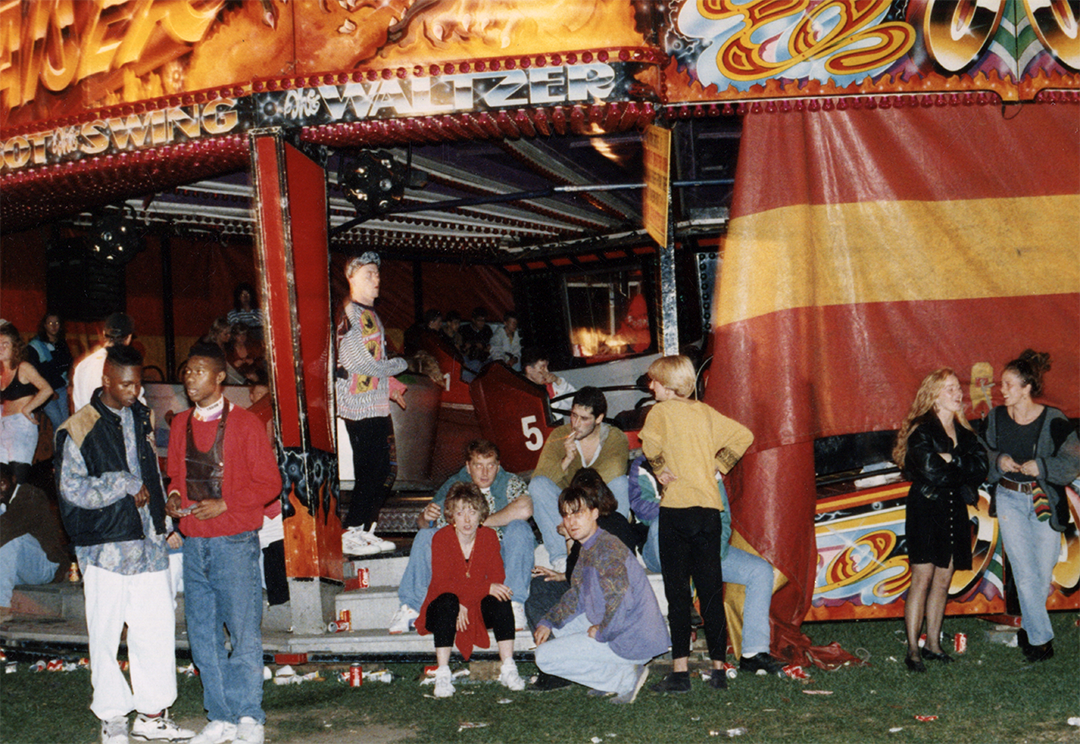
From its inception, Raindance moved with ambition. Farmers’ fields, sports centres, raceways and showgrounds — from Cambridgeshire to Peterborough, Essex to Spain — were transformed into temporary cities of sound.
On New Year’s Eve 1991, 15,000 ravers gathered at Great Dalby Airfield in Melton Mowbray, Leicestershire, marking one of the defining moments of the era.
Between 1989 and 1993, Raindance wrote the blueprint that would define the next generation of large-scale legal events across the country. By 1993, the breakbeat hardcore scene had begun to splinter, and mounting political pressure leading up to the Criminal Justice Act saw Raindance take a step back from hosting major events.
YOU’D ARRIVED
In 1995, the organisation returned with Mr Raindance at the helm, launching a new chapter at Bagley’s in King’s Cross. Events at venues such as The Pleasure Rooms, The Sanctuary, The Rocket and Camden Palace soon followed.
Anyone who was anyone passed through Raindance. From Carl Cox, Dave Angel, LTJ Bukem, Mr C, DJ Rap, John Digweed, and Kevin Saunderson, to Fabio & Grooverider, Shades of Rhythm, N-Joi and The Prodigy — the pioneers, the future icons, the sound of a cultural shift in motion.
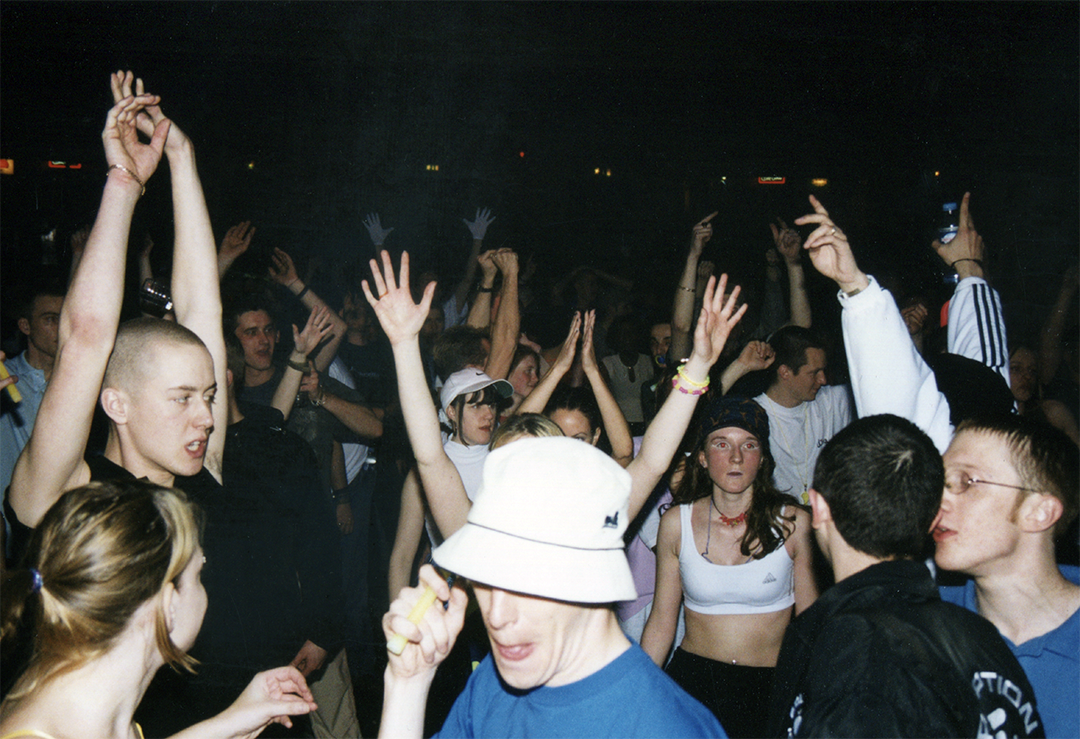
“You knew you’d arrived when you played at Raindance.”
— KEITH FLINT, THE PRODIGY
THE DROME ERA
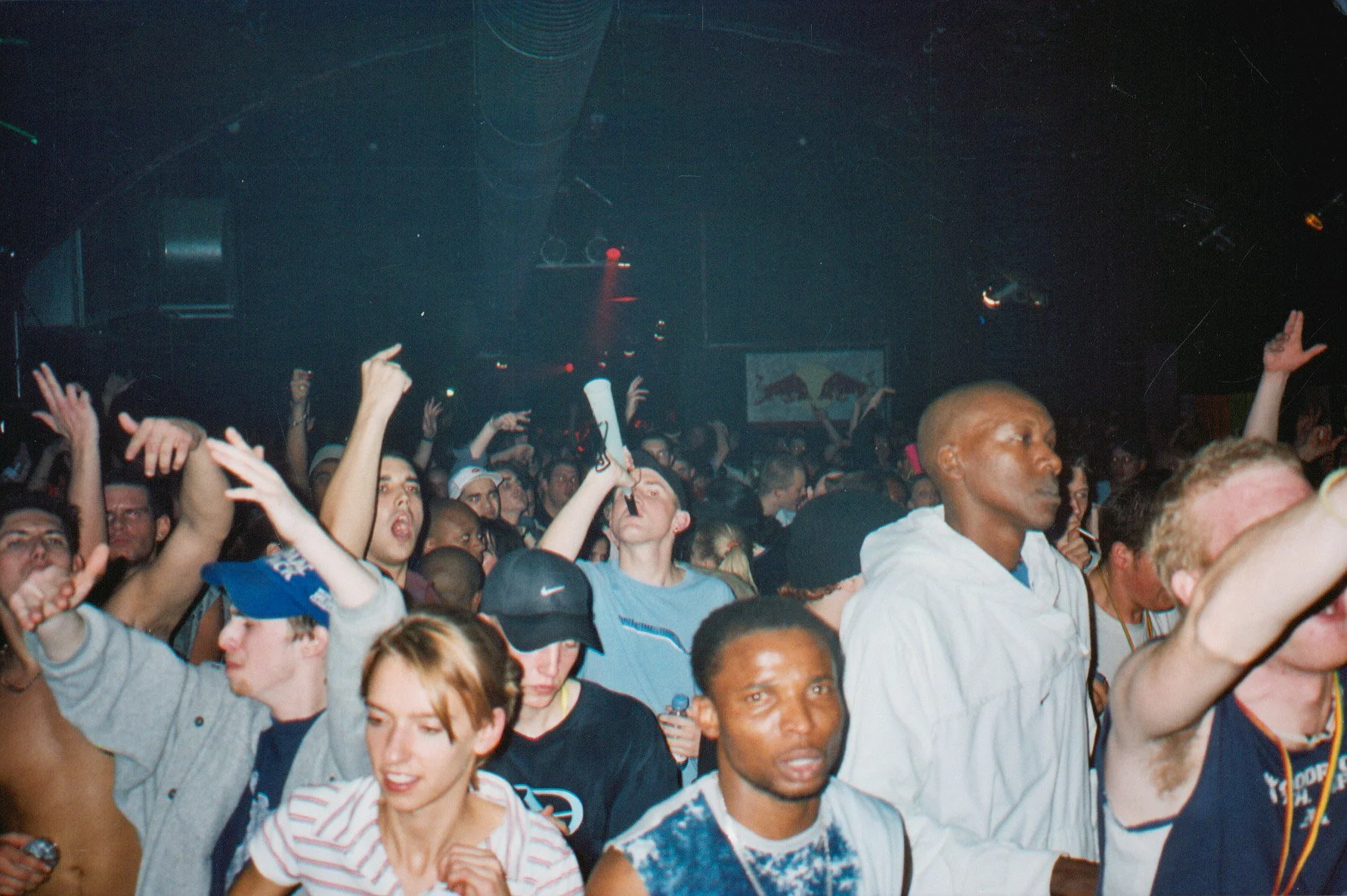
In early 1999, Mr Raindance was taken by a friend, Northern Paul, to view a potential new home for Raindance. The space — an unused car park beneath London Bridge — would soon become known as The Drome, later rebranded as SeOne.
It became Raindance’s home for more than a decade.
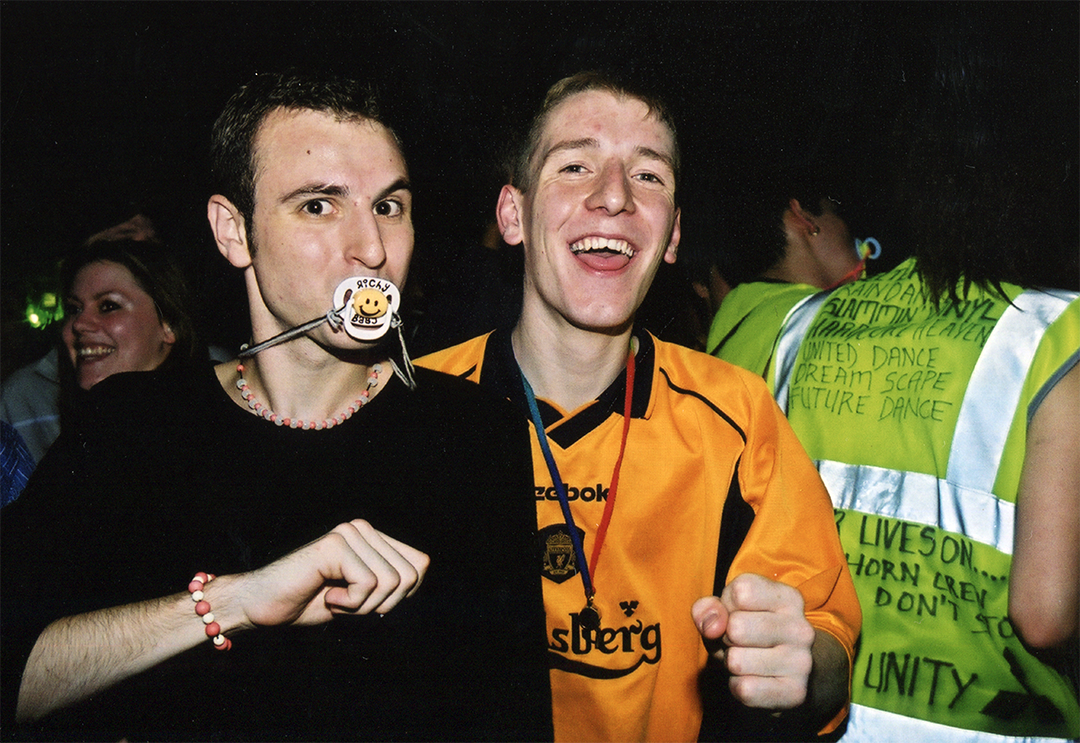
From 4th December 1999 through to New Year’s Eve 2010, Raindance staged over 40 events there, each with capacities exceeding 3,500. The cavernous, multi-room space allowed the brand to unite the different raving tribes that had evolved since the “Big Bang” of ’89.
Breakbeat hardcore. Jungle. Drum & Bass. Happy hardcore. Acid house and house music.
Under one roof.
A new playground — and a worthy successor to the Jenkins Lane era.
NEVER STOP DANCING
It’s been over three decades since that first party and the culture never stood still. Sounds have shifted, scenes have splintered. New tribes have emerged.
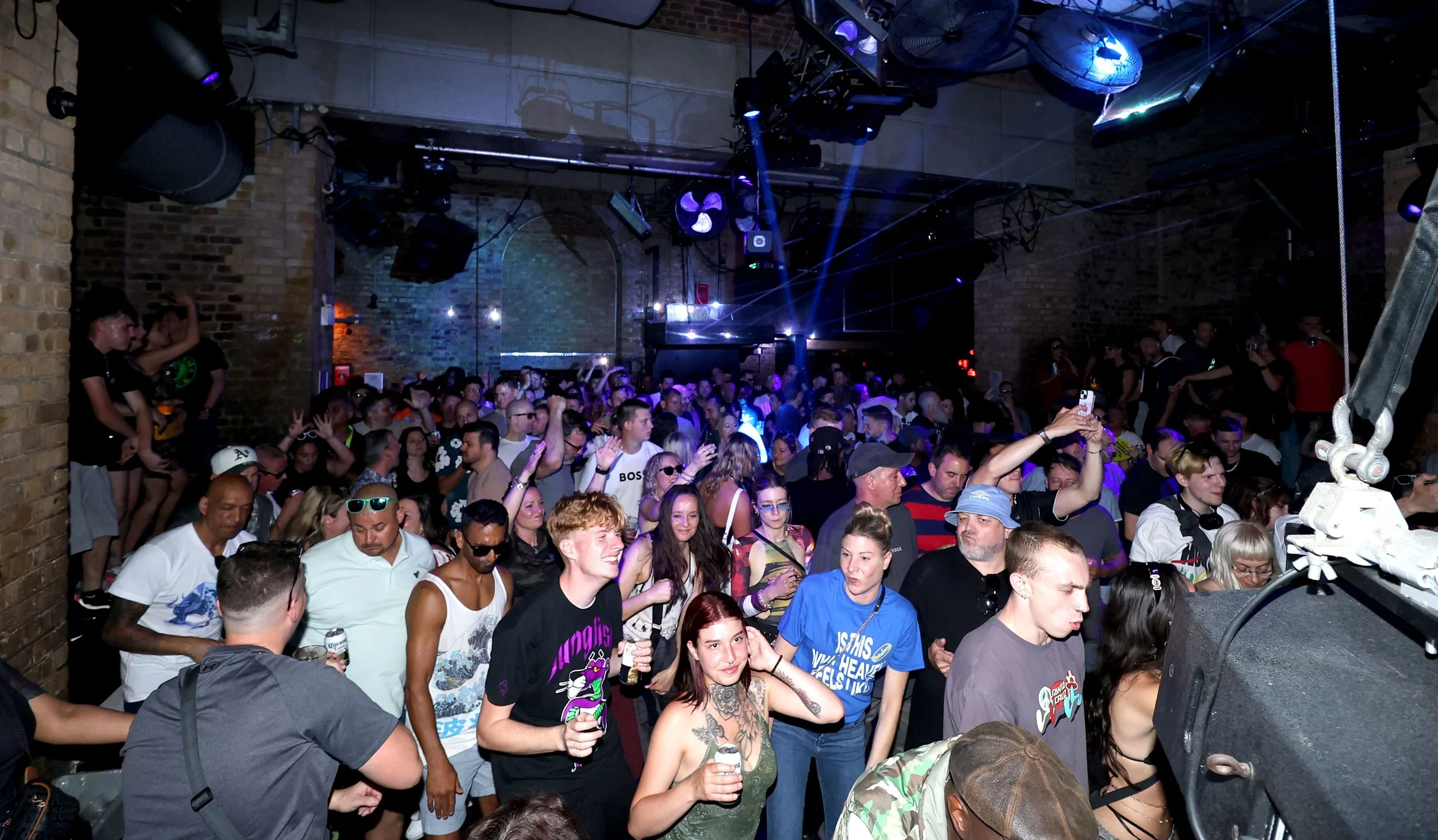
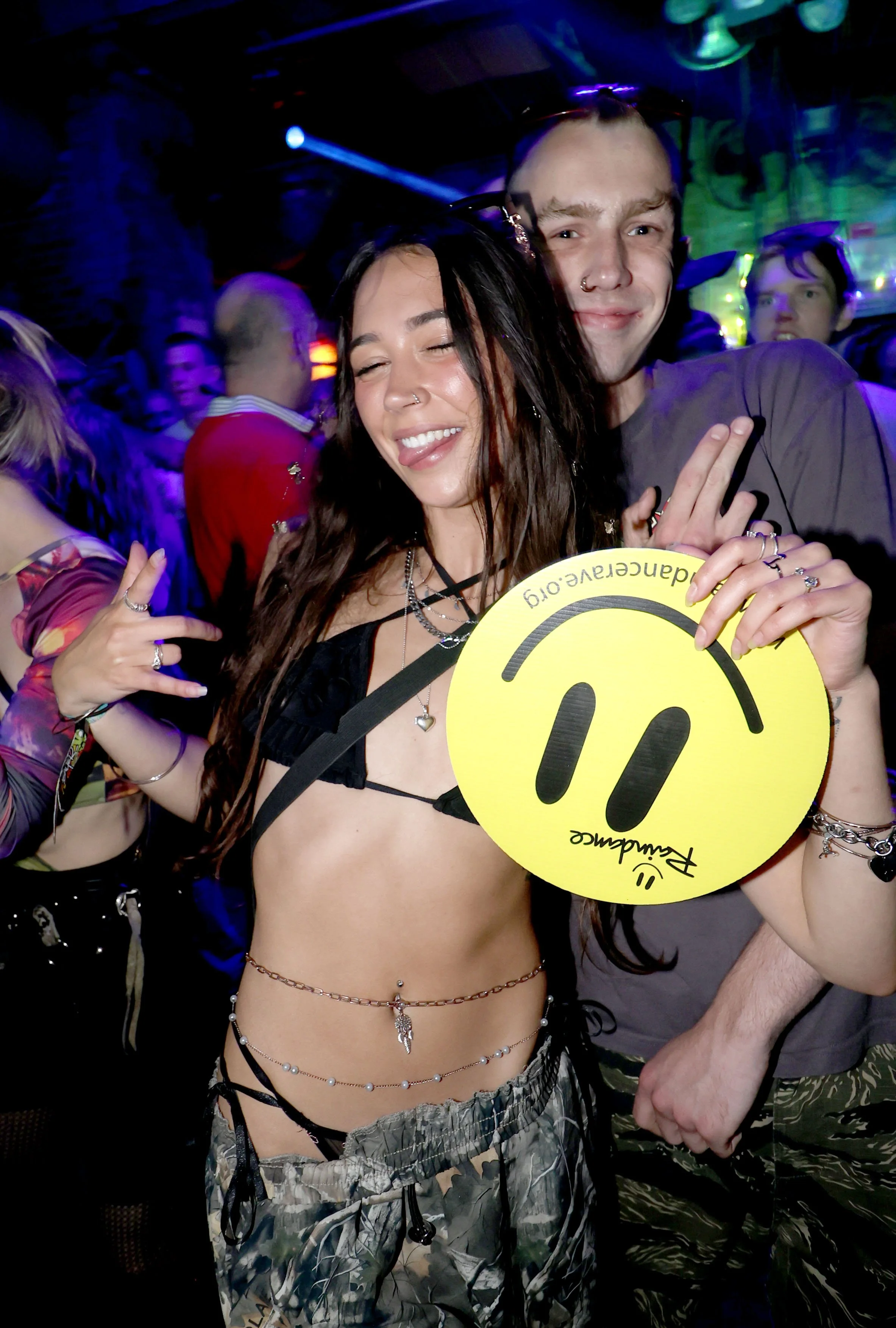
Today our dancefloor is multi-generational. Those who stood in the circus tent at Jenkins Lane now share space with ravers raised on pirate radio archives, vinyl reissues and stories passed down like folklore. Foundation stands beside new sonic renegades — from Shades of Rhythm to Tim Reaper. Different eras. Same desire.
Raindance didn’t just follow the movement, it helped to shape it.
From Curtain Road to Hammersmith Apollo.
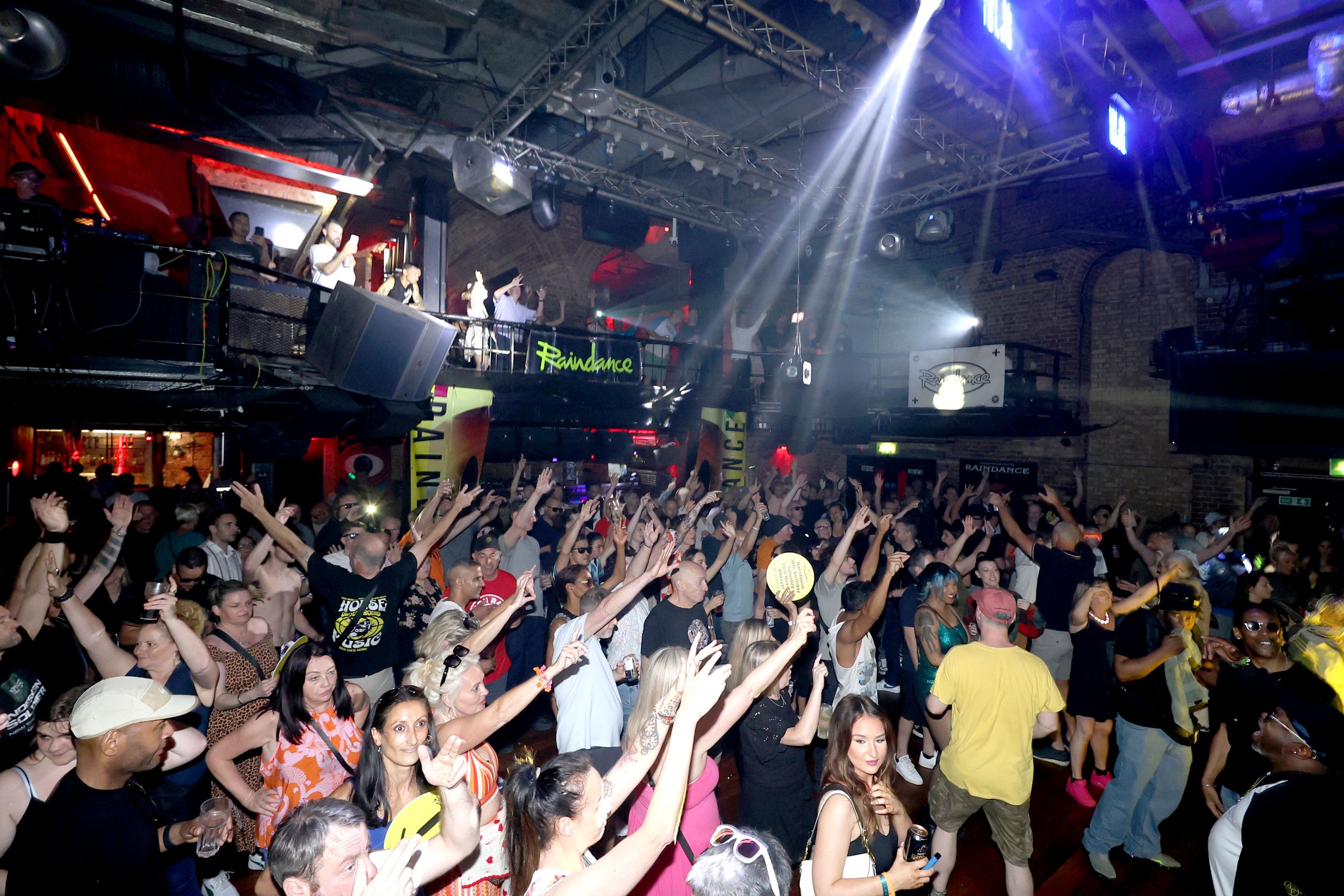
The Sanctuary to Bagleys. The Steel Yard. Electric Brixton. Berwick Manor. Brixton Academy. Heaven. And now fabric London.
The venues might have changed but the energy didn’t.
Raindance is a living part of UK rave culture - still loud, still independent, still raw.
Of the people. For the people.
Peace. Love. Unity. Raindance.